0. Introduction
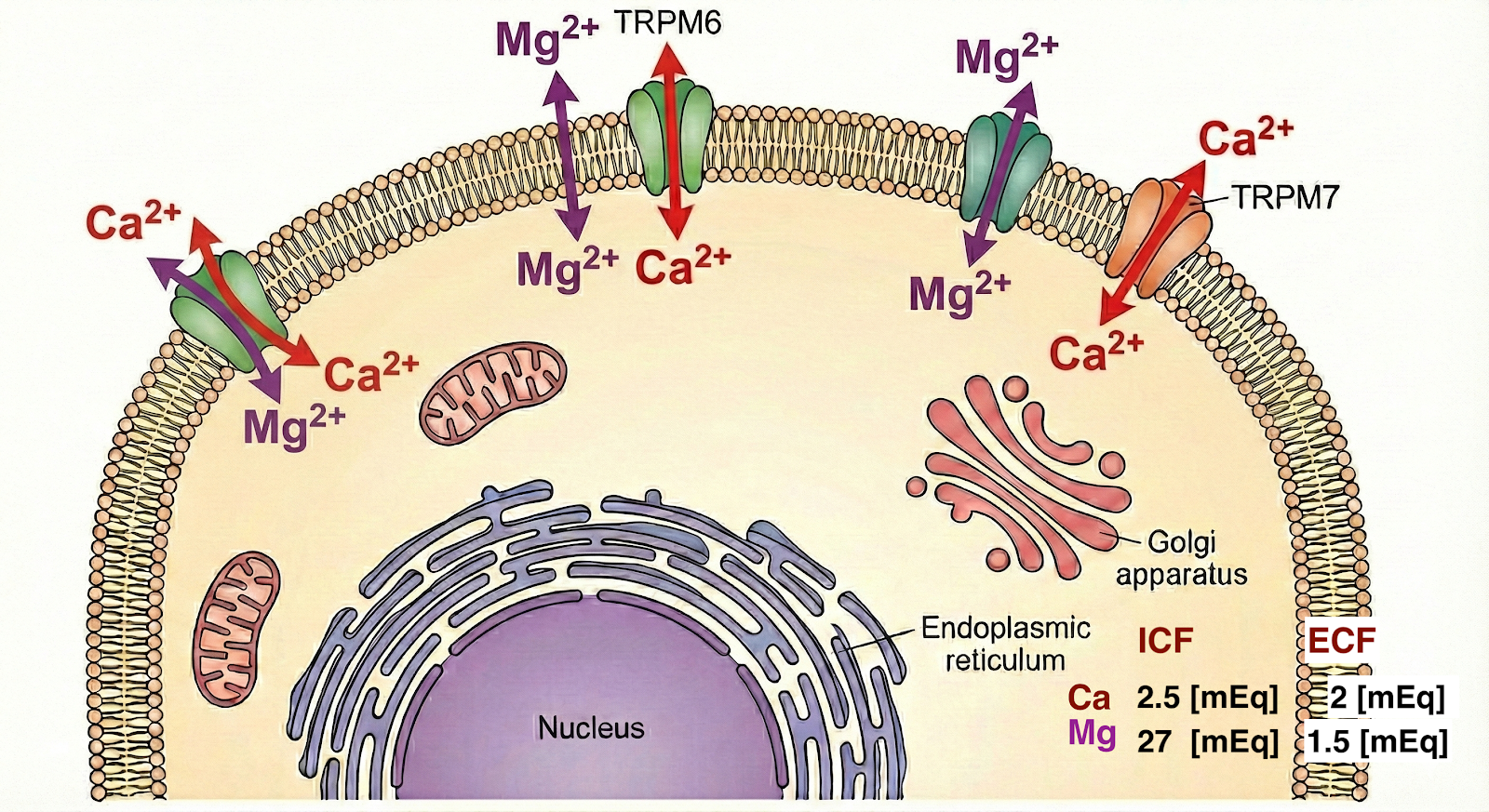
There are several evidence that Magnesium has brain-protection function.
1. Micro insights on nerve cells
1.1 Model study suggests not a simple role of Magnesium
In-vitro model suggests that the Magnesium-removed, voltage-controlled state leads to the epilepsy-like phenomenon, and it is NMDA receptor dependent, according to famous ”Principles of Neural Science, Eric R. Kandel, fifth edition, Japanese translation(2014).”. It means that Magnesium is for not only conforming the voltage but also having the excitation suppression effects. Google Gemini conversation here. Note: no Magnesium, voltage-controlled is a very unlikely situation in living human bodies. This is a laboratory experiment on glass dishes.
1.2 The Alzheimer’s neuronal Ca2+ accumulation hypothesis
Some studies’ evidence supports the hypothesis that the neuronal Ca2+ accumulation causes Alzheimer’s. It proceeds the onset of the dementia, even the accumulation of Aβ, which means it is good for you to take some preventative measures.
2. Recent ecological studies
As few as 2 studies are published on this topic. 1. Finland large scale study(2019)(here), 2. A meta-analysis on ILAE data + Finland gene databank data analyzed by Chinese(2023)(here). Both study indicate the in-body high Magnesium storage is brain-protective. Google Gemini conversation here.
3. The case in Japan
3.1 The epilepsy
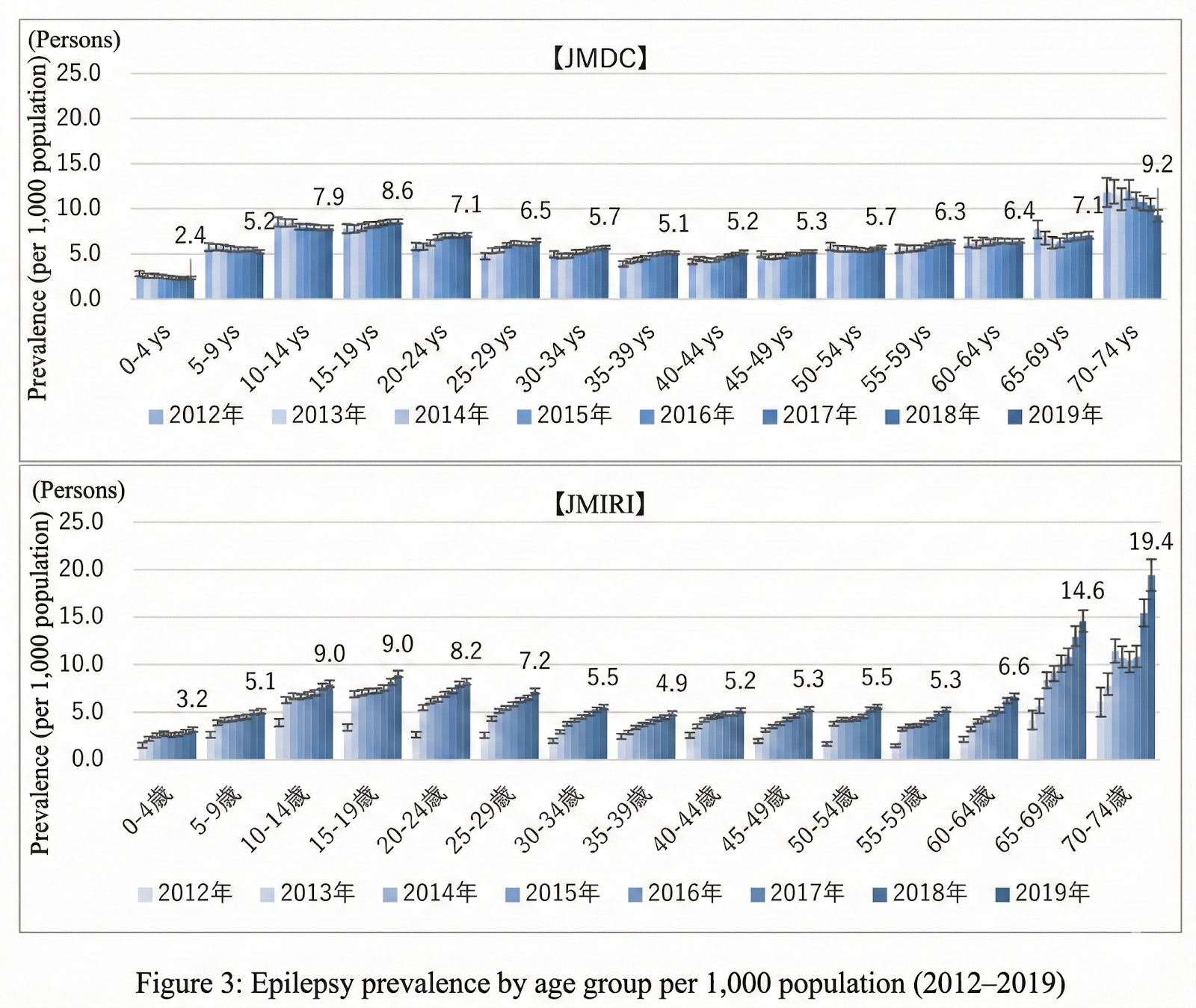
The number of the (old age) epilepsy in Japan is suspiciously increasing. Google Gemini conversation here.
Hiroshima Univ. analyzed 2012 Jan.~2019 Dec. Health insurance claim data exposed that the epilepsy frequency is increasing. Source here.

3.2 Alzheimer’s
According to Hisayama town full survey research suggests that Dementia and Alzheimer’s rate in over 65 years old cohort is increasing since 1998 to 2017, but it showed sudden turn in 2017. Source: here. In this study, the authors mention that this drop of dementia prevalence is “at least partly attributable to advances in medical technology and changes in the healthcare system, as well as to modification of risk factors for dementia and promotion of healthy lifestyle behaviors.” I’m not certain what the authors have signified with this sentence, but at least it is certain that Japan enacted “The law for the promotion of organic agriculture” in 2006, so it may refer the food supply modification induced by this enactment. The other theory, the brandnew blood-sugar management strategy like GLP-1 agonist. Or, they published a paper(I name it paper1 here) which suggests that the Magnesium intake increase from 150 to 200 mg/day mitigated the risk of Diabetes Mellitus, under the Japanese govt. recommendation of the amount of 330 mg/day for adult male and 240 mg/day for adult female(the publication here, the govt. recommendation here, my blog on the govt. recommendation here). It may have induced the residents’ self-medication behavior. Noteː I don’t have any evidence that suggests the authors of paper1 made any instruction to intervene the eating habits of the “subjects” they called in the paper1 as of 2026/1/31. Noteː I’m not very confident that it is a proper practice in the academic publication context but the authors have not disclosed the actual numbers of concerning items like the blood sugar control, diabetes mellitus rate, or HgA1c. As a consequence it is impossible for us to have the further discussion and fails us to have the structual comprehension on the AD ocurrance, which is hardly the most satisfactory situation.
Actually, they published an evidence that the high Magnesium (and Potassium) intake amount suggests lower dementia rate(result publication here), ). Although the authors vaguely associated the higher intake amount of minerals with the reduced risks of inflammations, the discussion is insufficient and incomprehensible, so the appropriate research should have had been done before the publication. Moreover, it is not certain whether the Magnesium intake amount calculation is done correctly. Vegetable containing mineral amounts needs to be examined.
Fig 2. Dementia rate in Hisayama town, Fukuoka, Japan. AD is Alzherimer’s disease. VaD is Vascular Dementia.
4. Plan for confirmation
4.1 Epilepsy
Since we know it that the nation-wide large scale data is there, it will let us have some perspectives by local-area epilepsy frequency v.s. Magnesium-intake amounts analysis. Hiroshima Univ.’s report claimed that they couldn’t analyze the locality because of the databases’ term of use.
4.2 Dementia
Considering the incompetence and repeated misconducts the authors showed in multiple papers like this or this, there exists the serious doubt on the authors’ qualifications as public servants and the appropriateness of being in the office. It allows prosecutors to seize the data(“the subjects”s personal informations) by force. With it the prosecutors are privileged to unveil the scientific truth in the court.
My intention to do the following research exists, however, as you know well, the affordability issue hits me hard. Fund me via here.
コメント